
Description
By (author) De Navarre, Marguerite; Introduction by Chilton Paul; Translated by Chilton Paul
Short /annotation:
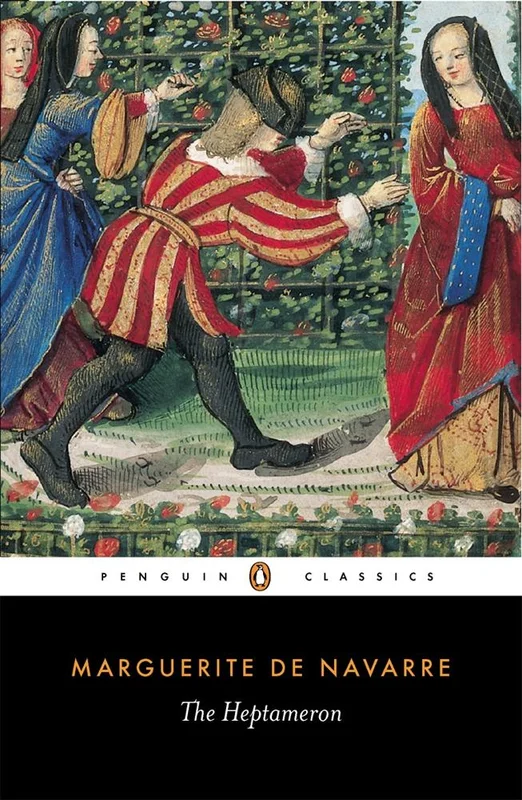
In the early 1500s five men and five women find themselves trapped by floods and compelled to take refuge in an abbey high in the Pyrenees. When told they must wait days for the bridge to be repaired, they are inspired to pass the time in a cultured manner by each telling a story every day.
:
In the early 1500s five men and five women find themselves trapped by floods and compelled to take refuge in an abbey high in the Pyrenees. When told they must wait days for a bridge to be repaired, they are inspired – by recalling Boccaccio”s Decameron – to pass the time in a cultured manner by each telling a story every day. The stories, however, soon degenerate into a verbal battle between the sexes, as the characters weave tales of corrupt friars, adulterous noblemen and deceitful wives. From the cynical Saffredent to the young idealist Dagoucin or the moderate Parlamente – believed to express De Navarre”s own views – The Heptameron provides a fascinating insight into the minds and passions of the nobility of sixteenth century France.
Biographical note:
Paul A. Chilton is Senior Lecturer at the University of Warwick. He is the author of books and articles on French Renaissance literature and on language, society and politics.
Paul A. Chilton is Senior Lecturer at the University of Warwick.He is the author of books and articles on French Renaissance literature and on language, society and politics.
Paul A. Chilton is Senior Lecturer at the University of Warwick.He is the author of books and articles on French Renaissance literature and on language, society and politics.




Reviews
There are no reviews yet.