
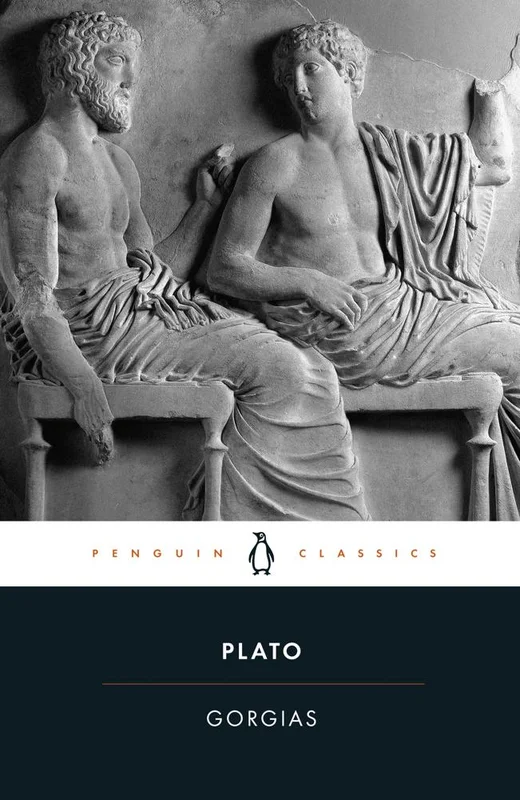
Description
By (author) Plato; Edited by Emlyn-Jones Chris; Translated by Hamilton, Walter
Short /annotation:
Are high moral standards essential or should we give our preference to the pragmatist who gets things done or negotiates successfully? Taking the form of a dialogue between Socrates, Gorgias, Polus and Callicles, this title debates perennial questions about the nature of government and those who aspire to public office.
:
Taking the form of a dialogue between Socrates, Gorgias, Polus and Callicles, GORGIAS debates perennial questions about the nature of government and those who aspire to public office.
Are high moral standards essential or should we give our preference to the pragmatist who gets things done or negotiates successfully? Should individuals be motivated by a desire for personal power and prestige, or genuine concern for the moral betterment of the citizens?
These questions go to the heart of Athenian democratic principles and are more relevant than ever in today”s political climate.
Table of contents:
GorgiasAcknowledgments
Reference System Used in this Edition
Chronolgy
Introduction
Further Reading
A Note on the Text
Gorgias
A: Dialogue with Gorgias
B: Dialogue with Polus
C: Dialogue with Callicles
Notes
Glossary of Greek Terms
Index
Biographical note:
Walter Hamilton taught at Cambridge, Eton and Rugby and translated several Platonic texts for Penguin.
Chris Emlyn-Jones teaches in the department of Classical Studies at the Open University and has published on Homer and Plato.
Promotional headline:
Taking the form of a dialogue between Socrates, Gorgias, Polus and Callicles, Gorgias debates perennial questions about the nature of government and those who aspire to public office.


Reviews
There are no reviews yet.